



Your team's knowledge,
finally findable.
Self-hosted, open source, your data.
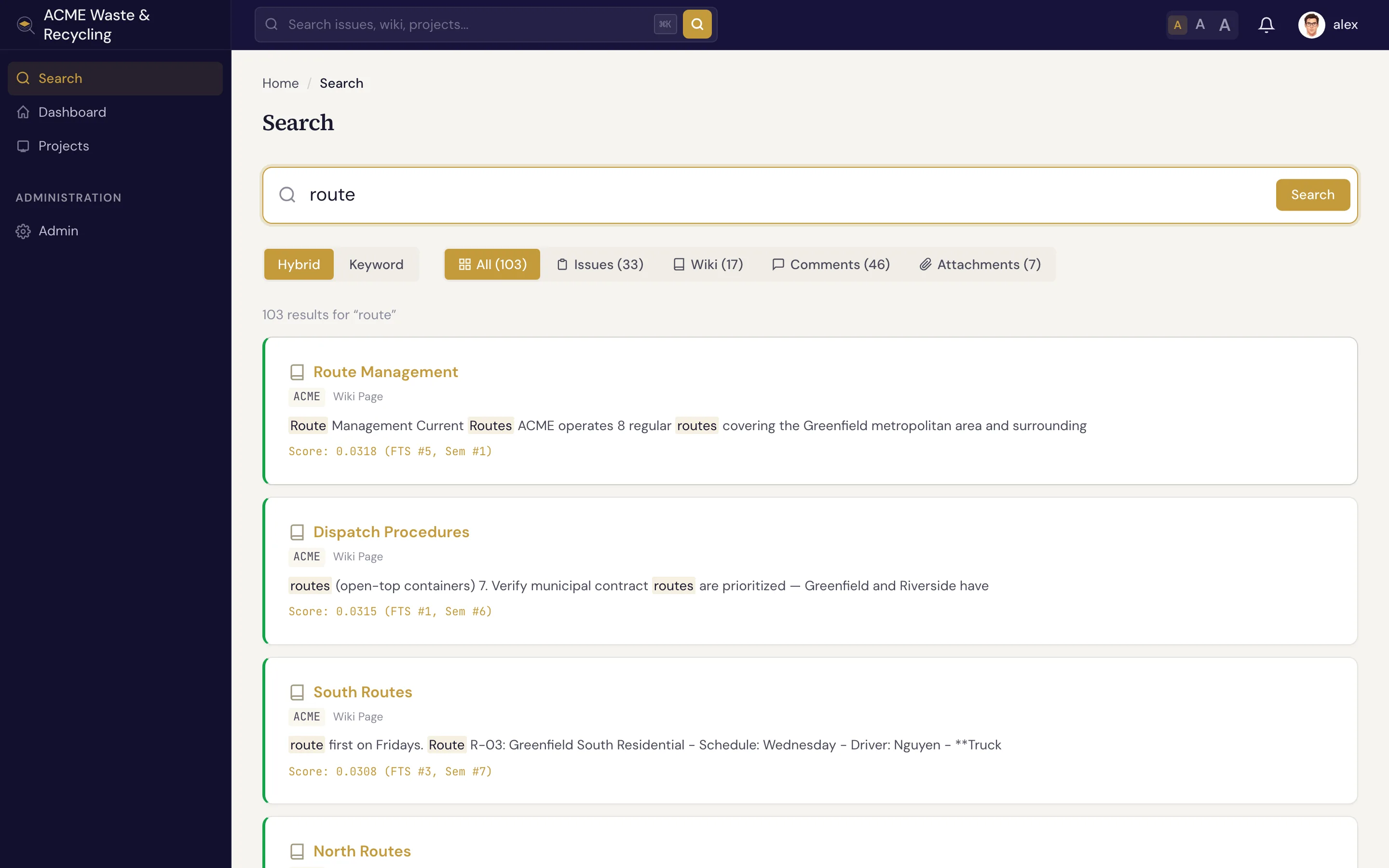
$ specivo search "how does authentication work" SPEC-142 Login flow comparison (wiki) "We evaluated JWT vs session tokens and chose..." SPEC-89 SSO integration plan (issue) "OAuth2 flow with PKCE for single sign-on..." SPEC-201 Auth middleware refactor (issue) "Moved session validation to server-side..."
Where knowledge comes together.
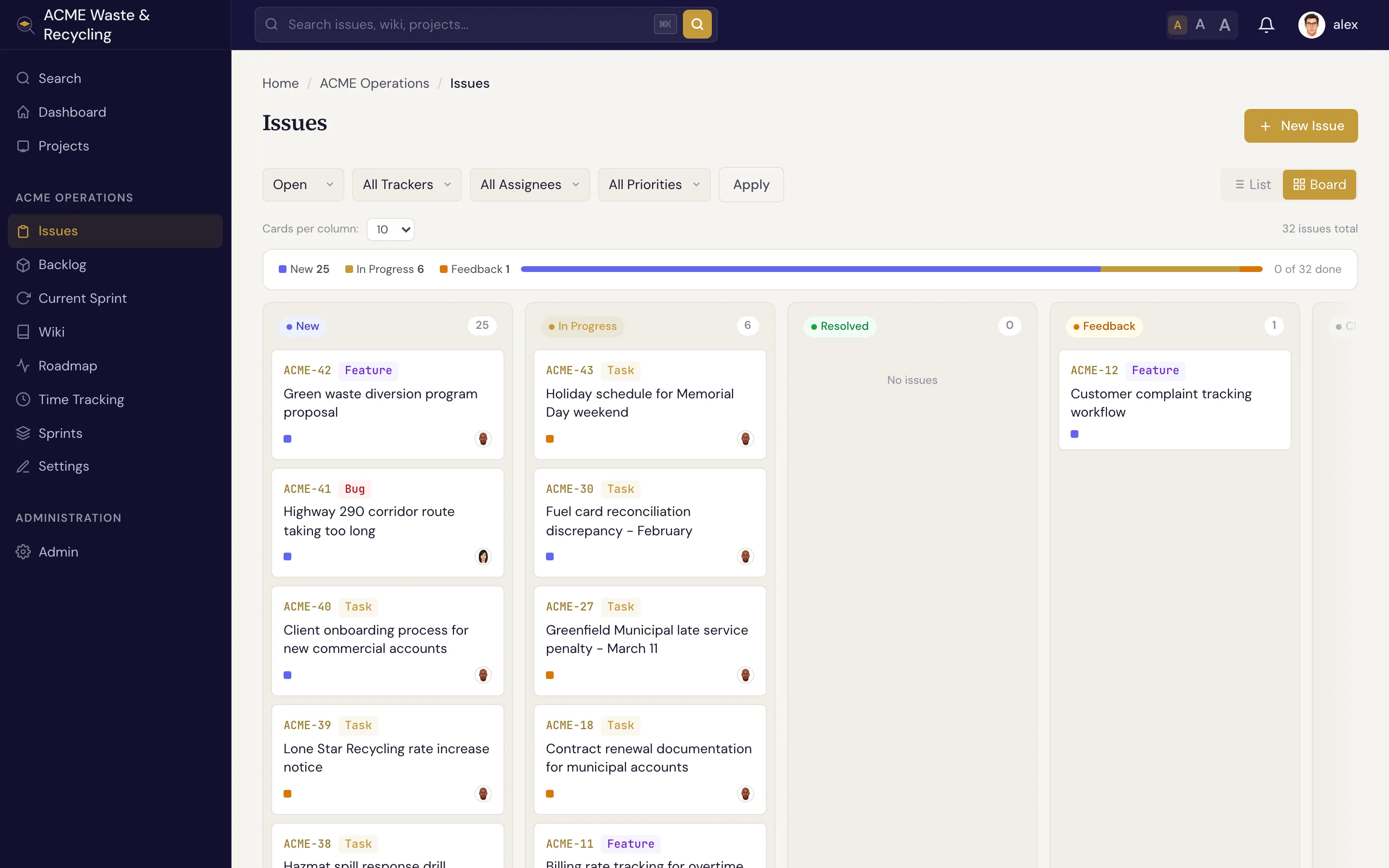
Stop losing decisions
Every architecture choice, every resolved bug, every "why did we do it this way" — captured in issues with full context. Not buried in Slack threads that disappear.
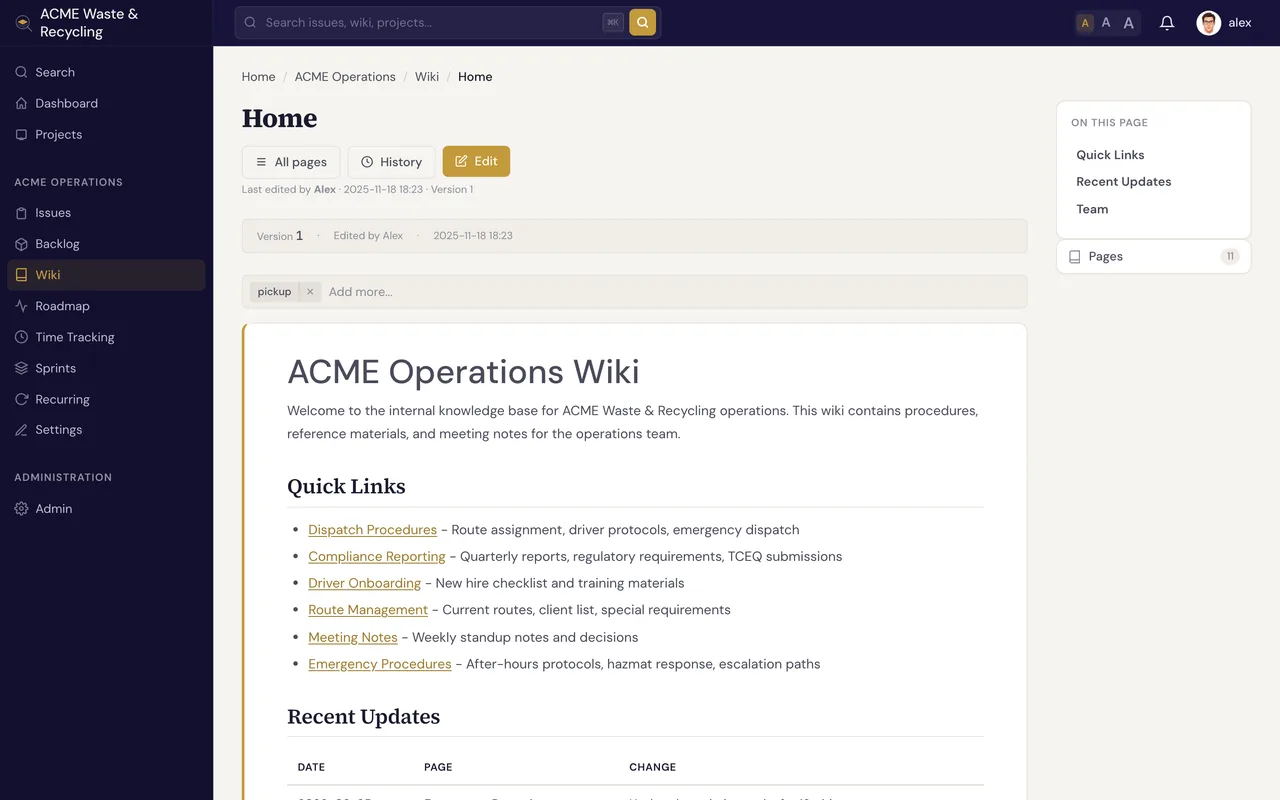
Knowledge that outlives people
People leave. Their knowledge shouldn't. Versioned wiki, automatic history, one-click revert. Every edit tracked — human or AI.
Search by meaning, not memory
You wrote "login flow" in January and "auth sequence" in March. Same concept. Keyword search misses it. Semantic search finds both. Attachments too — find that PDF by what it's about, not just its filename.
Built for humans and AI agents.
Most tools are built for humans. Some are built for AI. Specivo is built for both.
AI agents read the same wiki, update the same issues, search the same knowledge base. Every action is tracked — who did what, human or AI, with full context. When you need to know what happened, you don't ask. You search.
Works with your AI tools.
Specivo ships with a built-in MCP server. Tested with Claude Code and Codex. Works with any tool that supports the MCP protocol.
One config line, and the agent stops guessing and starts looking things up.
// Add to your AI tool's MCP config: { "mcpServers": { "specivo": { "url": "http://localhost:8000/mcp", "apiKey": "spv_your_key_here" } } }
AI is optional. Always.
Specivo works perfectly without AI. When you're ready, enable it with one toggle—using a free local model or your own API key. Your choice.
Your data. Your server. Five minutes.
$ git clone https://github.com/specivo/specivo.git $ cd specivo $ docker compose up
Ready to make your team's knowledge findable?
Self-hosted. Open source. Five minutes to deploy.